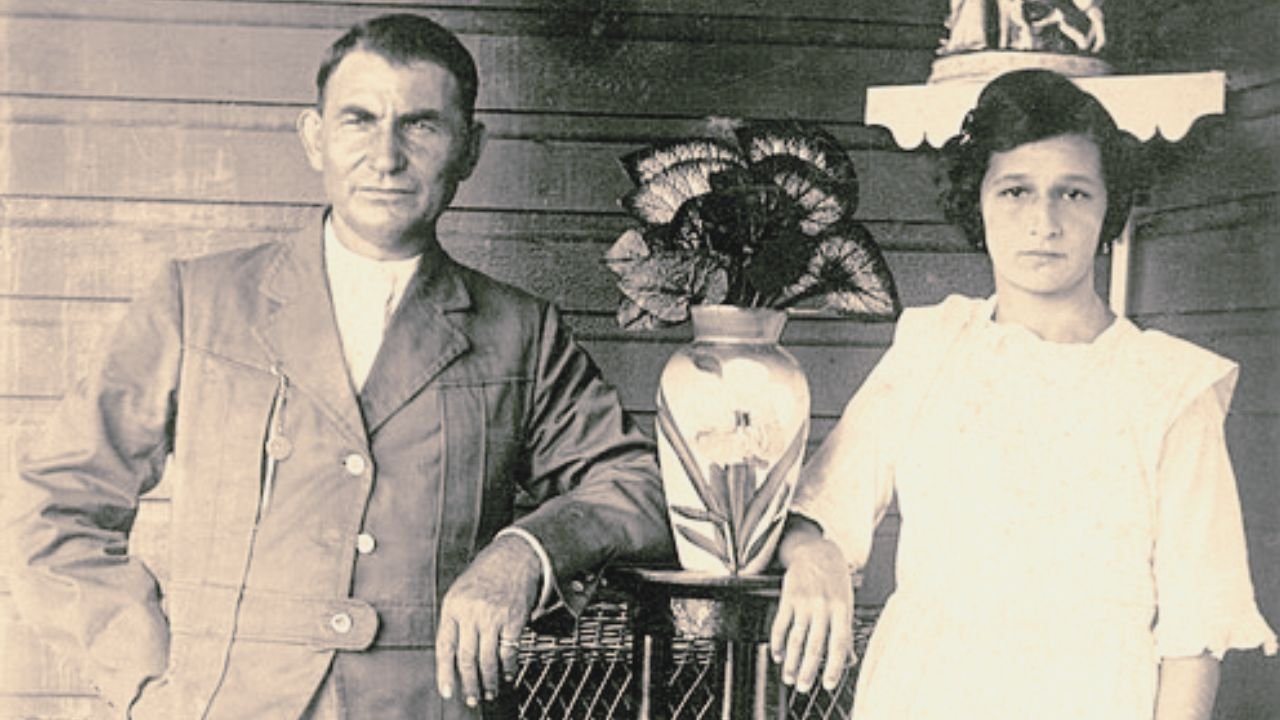
Most people who search for Lina Ruz González already know the name Castro. But far less has been written about the woman whose surname Fidel carried for his entire life. She was not a political figure. She did not make speeches or hold office. Her historical significance comes almost entirely through her family — and through the two sons who would eventually reshape Cuban history.
This article covers who Lina Ruz González was, where she came from, her relationship with Ángel Castro, the seven children she raised, and the confirmed dates of her birth and death.
Who Was Lina Ruz González?
Lina Ruz González was the mother of Fidel Castro and Raúl Castro, two of the most prominent figures in twentieth-century Cuban politics. She was also the mother of five other children. In total, she and her partner Ángel Castro had seven children together.
She was not a public figure in her own lifetime. She did not seek attention, and most of what is documented about her comes from family histories, genealogy records, and institutional biographies rather than journalism written during her lifetime.
One reason her name appears frequently in genealogy searches is straightforward: Fidel’s full name was Fidel Castro Ruz. In Cuban naming tradition, a person carries both their father’s surname and their mother’s surname. “Ruz” was his maternal surname — Lina’s surname. That one detail has drawn researchers and curious readers to her name for decades.
You may also see her referred to as “Lina Ruz,” “Lina Ruz González,” or occasionally “Lina Castro Ruz.” These names are sometimes used interchangeably, but the primary documented name across genealogical and biographical sources is Lina Ruz González.
Her Birth, Origins, and Family Background
Lina Ruz González was born on 23 September 1903 in Catalina, a town in Cuba’s Pinar del Río region in the western part of the island. Her parents were Francisco Ruz Vázquez and Dominga González Ramos. Her family background was rural, rooted in the agricultural communities of western Cuba.
It is worth noting that at least one record lists 1907 as her birth year, but that date appears to be an outlier. The 1903 date is more consistently supported across genealogical sources including FamilySearch and WikiTree, as well as biographical coverage of the Castro family.
At some point in her adult life, Lina relocated from western Cuba to the Birán area in Holguín, in the eastern part of the island. That move placed her far from her origins — and it was in Birán where the rest of her life would unfold.
Her Relationship with Ángel Castro
Ángel Castro y Argiz was a Spanish-born landowner and agricultural businessman who had built a sugar and cattle estate in Birán, Holguín. He was a significant figure in that part of eastern Cuba — a man of practical ambition who had come a long way from his roots in Galicia, Spain.
When Lina came into his life, Ángel was still married to his first wife, María Argota y Reyes. Despite this, Lina and Ángel began a relationship, and they had several children together before any formal marriage took place.
The two eventually married in 1943. By that point, Fidel had already been born in 1926 — which explains why he initially used the surname Ruz rather than Castro. His parents were not yet married when he was born, and under Cuban naming conventions, his mother’s surname was the one he carried. The children born before the 1943 marriage were later formally recognized, but the sequence matters: the children came before the wedding, not after.
The Seven Children of Lina and Ángel Castro
Lina and Ángel Castro had seven children together. Listed with their full given names, they were:
- Ángela María Castro Ruz
- Ramón Eusebio Castro Ruz
- Fidel Alejandro Castro Ruz
- Raúl Modesto Castro Ruz
- Juana de la Caridad Castro Ruz (known publicly as Juanita)
- Emma de la Concepción Castro Ruz
- Agustina del Carmen Castro Ruz
Fidel and Raúl are the most internationally recognized. Fidel led the Cuban Revolution in 1959 and governed Cuba for decades. Raúl later served as President of Cuba after his brother stepped down.
Among the other siblings, Juanita Castro became publicly notable in a very different way. She opposed the Cuban Revolution and eventually relocated to the United States, where she spoke out against her brothers’ government. Her story stands as a reminder that even within a single family, political paths can diverge sharply.
The other four siblings — Ángela, Ramón, Emma, and Agustina — lived more privately. They are historically connected to the Castro family but have not been major public figures in the same way.
Life at the Birán Estate
Lina’s adult life was closely tied to the family estate at Birán. The property was a working agricultural operation — cattle, sugar, and the practical rhythms of rural eastern Cuba. It was not a glamorous setting, but it was a substantial one for the region and era.
Accounts describe Lina as actively involved in the management and daily operation of the household. The estate was relatively self-contained, and raising seven children there meant overseeing a great deal of practical work. The environment — agricultural, hierarchical, somewhat isolated — formed a significant part of how Fidel and Raúl experienced their childhood.
A book titled La Madrina de Birán, which draws on testimonies about Lina and her role in the Castro family, suggests that she has received less historical attention than her husband despite being a central figure in household life. Whether that reflects the era’s general treatment of women, or simply the outsized attention Ángel received as a businessman and patriarch, is a matter for historians to assess. What the coverage confirms is that interest in Lina’s personal story continues.
Why Fidel Castro Used the Name Ruz?
This question comes up often, and the answer is straightforward once you understand Cuban naming convention.
In Cuba, a person traditionally takes two surnames: the first from the father, the second from the mother. Fidel’s full name was Fidel Castro Ruz — Castro from his father Ángel, and Ruz from his mother Lina. The surname Ruz was Lina’s paternal surname, passed to her from her father Francisco Ruz Vázquez.
Because Fidel was born in 1926, before Lina and Ángel’s 1943 marriage, there was also a period early in his life when he was not yet formally recognized as Ángel’s son. That added another reason why Ruz featured prominently in his name and identity before recognition and marriage brought the Castro surname fully into place.
For anyone doing family tree research, this naming structure is the key to understanding why searching for “Castro Ruz” leads directly to Lina Ruz González. She is the link.
Her Death and Historical Legacy
Lina Ruz González died on 6 August 1963 in Birán, Holguín, Cuba. She was 59 years old. Her death came four years after the 1959 Cuban Revolution — an event that had already transformed her sons into internationally known figures, though Lina herself remained far from the public stage.
She was not famous during her own lifetime in any conventional sense. She gave no interviews that are widely documented. She held no political role. What she left behind was a family and a household that, for better or worse, became part of one of the most discussed political stories of the twentieth century.
For those researching the Castro family tree or trying to understand where Fidel and Raúl came from, Lina Ruz González is an essential figure. Sites like World Business Voice regularly explore how family background and social context shape public figures — and Lina’s story is a clear example of how much can lie behind a single surname.
A Summary of the Key Facts
For readers who want a quick reference, here are the confirmed details about Lina Ruz González:
- Born: 23 September 1903, Catalina, Pinar del Río, Cuba
- Parents: Francisco Ruz Vázquez and Dominga González Ramos
- Partner and husband: Ángel Castro y Argiz
- Married: 1943
- Children: Seven — Ángela, Ramón, Fidel, Raúl, Juanita, Emma, and Agustina
- Died: 6 August 1963, Birán, Holguín, Cuba
She was a private person in a family that became anything but private. That contrast — between the quiet rural life she lived and the global attention her sons attracted — is perhaps the most striking thing about her story
Also read: