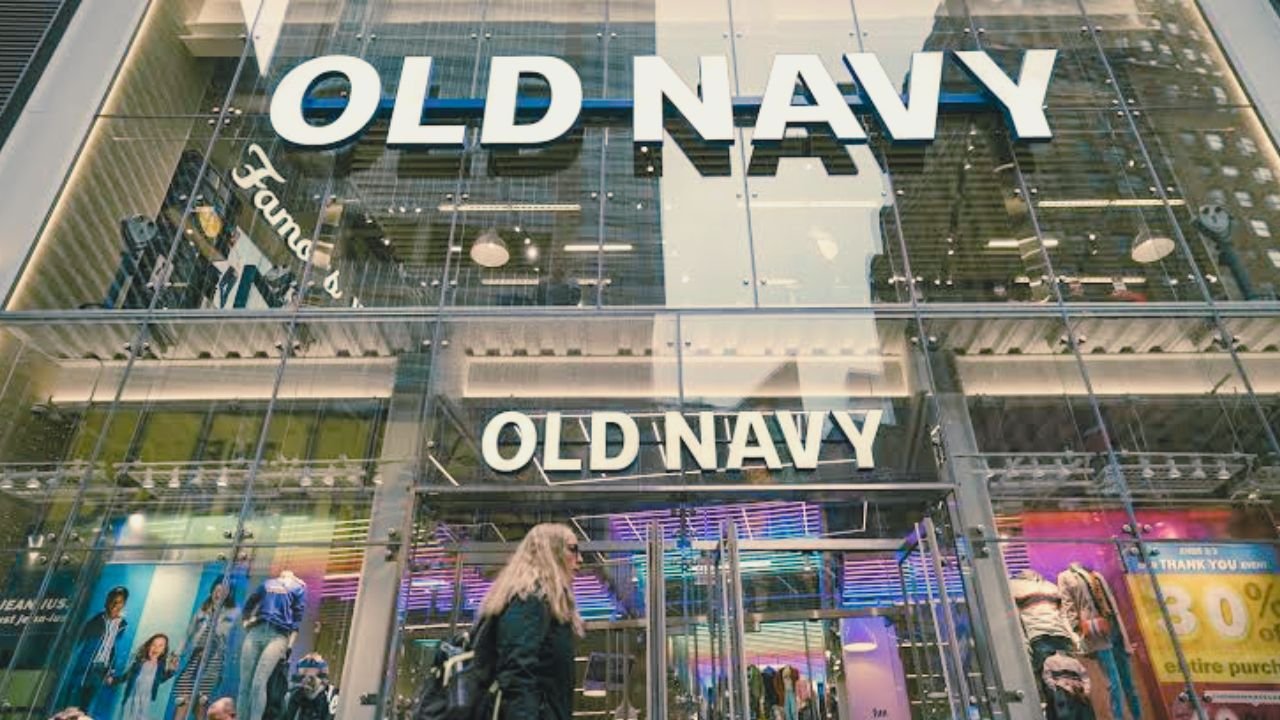
If you’ve seen headlines about Old Navy “going out of business,” you’re not alone. These stories keep circulating, and they create real confusion. But a single store closing in Chicago or Cincinnati is not the same thing as a chain shutting down entirely.
This article cuts through the noise. We’ll look at whether Old Navy is financially failing, why specific stores are closing, what Gap Inc.’s history of restructuring actually means, and what shoppers can realistically expect going forward.
Old Navy Is Not Going Out of Business
Let’s answer the main question right away: Old Navy is not closing all its stores, filing for bankruptcy, or liquidating as a brand.
What’s actually happening is more routine than the headlines suggest. The company is making selective decisions about which store locations to keep and which to close — mostly based on lease expirations and how individual stores are performing.
Old Navy still operates hundreds of locations across the country and sells through its website. The brand hasn’t announced a shutdown, and no credible source supports the claim that it’s going under entirely.
The confusion largely comes from misleading headlines. When one store in a major city closes, some outlets frame it as if the whole chain is collapsing. That framing is inaccurate, and it causes unnecessary panic for shoppers and employees alike.
Why Specific Old Navy Stores Are Closing
Individual store closures happen for straightforward business reasons. Leases expire, and companies decide whether renewing them makes sense. If foot traffic has dropped or the location no longer fits the brand’s strategy, the company walks away.
Recent confirmed closures include the State Street store in Chicago, a Westwood location in Cincinnati, and the Market Street flagship in San Francisco. According to CBS Chicago, the company described its decision as part of a routine real estate review, saying it “regularly and thoughtfully” evaluates its store locations. The Cincinnati Enquirer confirmed the Westwood closure as a 2026 location-specific decision. CoStar News reported that Gap Inc. simply chose not to renew the lease on the San Francisco Market Street property.
These are market-specific decisions, not signs of a national pullback. Think of it like a restaurant chain closing two or three underperforming locations while keeping the other 500 open. The brand survives. Only those particular spots close.
This is standard practice across retail. Companies regularly trim locations that aren’t pulling their weight. Doing nothing when a store underperforms is actually the worse business decision.
The Difference Between a Store Closure, a Restructuring, and Going Out of Business
One reason these stories spread so easily is that most people don’t have a clear framework for reading retail news. Here’s a simple breakdown:
- A store closure means one location stops operating. Shoppers can usually find another nearby store or shop online.
- A restructuring means a company reorganizes how it operates — splitting brands, changing leadership, cutting costs, or renegotiating debt. The brand can still continue.
- Going out of business means the company is insolvent, liquidating its assets, and stopping all operations. This is the worst-case scenario, and it’s very different from the first two.
Treating any one of these as another leads to wrong conclusions. A store closure is not a restructuring. A restructuring is not bankruptcy. When you see a headline about Old Navy “closing,” read it carefully before assuming the worst.
During COVID-19 in 2020, for example, Gap Inc. temporarily closed Old Navy stores across North America. That was an operational pause, not a permanent shutdown. Stores reopened. The brand continued. Temporary and permanent are not the same thing.
What Gap Inc.’s 2019 Restructuring Plan Actually Meant
Some of the confusion around Old Navy’s future goes back to 2019, when Gap Inc. made a significant corporate announcement. The company said it planned to spin off Old Navy into a separate, publicly traded company. Under the plan, Old Navy would operate independently, while Gap, Banana Republic, and Athleta would be grouped under a different entity.
This was reported by BBC News and Retail Dive at the time. But here’s the important part: this was a corporate separation plan, not a plan to shut Old Navy down. Spinning off a brand means giving it more independence, not eliminating it.
The plan was ultimately not completed as originally announced. Old Navy remained part of Gap Inc. rather than becoming a standalone public company. But regardless of how the corporate structure evolved, Old Navy kept operating as a brand.
Readers who remember that 2019 news may have filed it away as “Gap is breaking apart” and later connected it to store closures, concluding that Old Navy must be in serious trouble. That connection isn’t accurate. Corporate reorganization and brand failure are two very different outcomes.
What Shoppers Should Expect From Old Navy
If your local Old Navy closes, here’s the practical reality: the company typically directs customers to nearby stores or its website. That’s exactly what the company said when it announced the Chicago State Street closure — shop at another location or shop online.
Old Navy’s e-commerce operation is fully active. If you live in a market where a store has closed, check for the nearest open location before assuming the brand has disappeared from your area.
A roundup from Cleveland.com covering several 2026 Old Navy closures reinforced this point — multiple locations were closing, but there was no indication of a full national shutdown. The closures were store-level decisions, not a brand-level exit.
If you’re a shopper who relies on a specific Old Navy location, it’s worth checking the company’s store locator periodically. Leases do end, and the retail landscape continues to shift. But that’s a reason to stay informed, not to assume the brand is going away.
For business owners and retail professionals tracking the broader market, Old Navy’s situation is a useful case study in how store-level decisions get misread as brand-level failures. World Business Voice covers these kinds of business stories with practical context, which is worth bookmarking if you follow retail trends.
The Bottom Line
Old Navy is not going out of business. It is closing individual stores where leases have ended or locations are no longer performing. That’s a normal part of running a large retail operation.
The 2019 corporate restructuring was a plan to give Old Navy more independence as a separate company — not to eliminate it. That plan didn’t go forward as announced, and the brand remained inside Gap Inc.
If you’re a shopper, you can still buy from Old Navy online and at hundreds of locations across the country. If you’re someone who tracks retail business news, this is a good reminder to read past the headline before drawing conclusions.
A store closing is news. A brand dying is a very different story — and right now, those two things are not the same for Old Navy.
Also Read:
- Is Church’s Chicken Going Out of Business?
- Is Triton Boats Going Out of Business?
- Is American Airlines Going Out of Business?