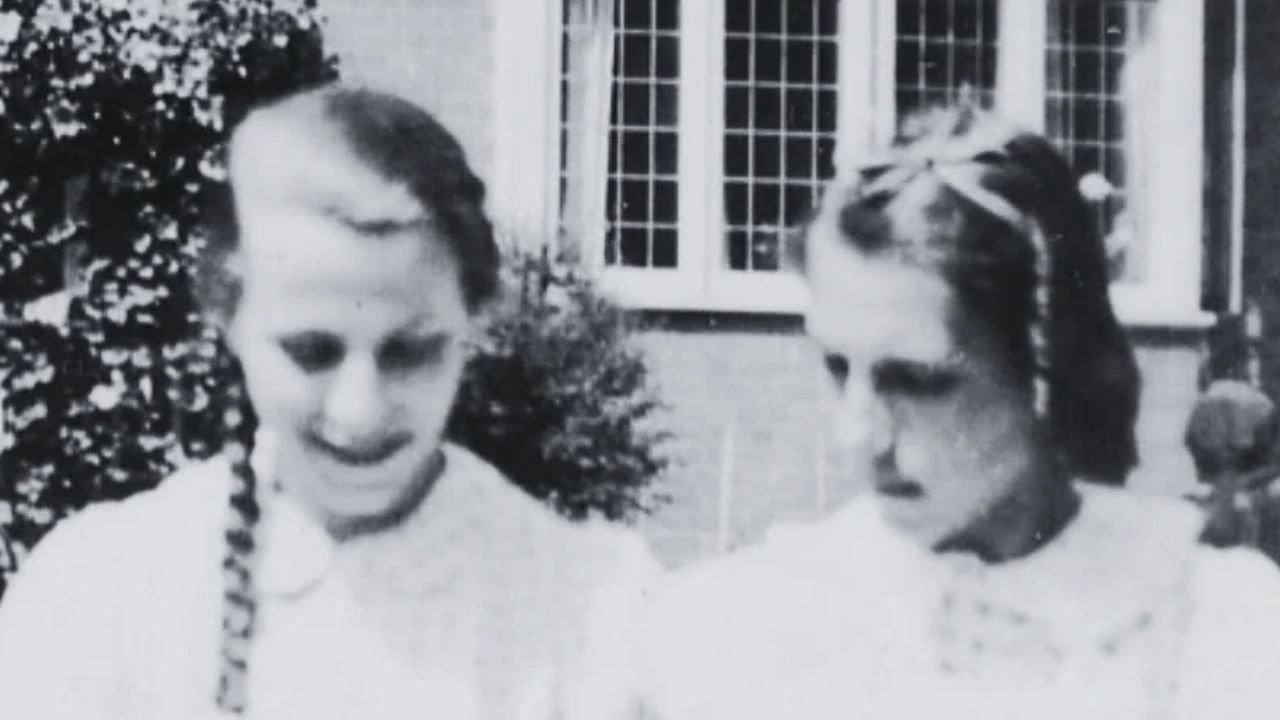
When people search for Irene Bejach alongside David Attenborough’s name, they often expect to find a blood relative. The real story is something different — and far more historically meaningful.
Irene Bejach was a German-Jewish refugee child who arrived in Britain in 1939 through the Kindertransport. She and her sister Helga were taken into the Leicester home of Frederick and Mary Attenborough, the parents of broadcaster David Attenborough and filmmaker Richard Attenborough. What began as a temporary wartime arrangement became something much more lasting.
This article covers who Irene was, how she came to Britain, why she stayed with the Attenborough family for years, what happened to her father, and what is publicly known about her later life.
Who Was Irene Bejach?
Irene Bejach was not a public figure in the conventional sense. She did not have a career in entertainment, politics, or media. She is notable today because her life became connected to one of Britain’s most well-known families, and because her story is part of the broader history of Jewish children rescued from Nazi Germany.
She had a sister named Helga, and the two girls left Germany together. Their story is documented in archival materials held by the University of Leicester, including photographs, letters, and a surviving German-language itinerary from Irene’s journey that lists the items she brought with her to Leicester.
Most of what is publicly recorded about Irene focuses on her childhood and wartime displacement. Details about her adult life are limited. She is relevant to celebrity searches primarily because of her connection to David and Richard Attenborough, not because of independent fame.
The Kindertransport and How Irene Left Germany
The Kindertransport was an organized rescue operation that brought nearly 10,000 Jewish children from Nazi-controlled Europe to Britain before and during the early stages of World War II. It ran between 1938 and 1940, and it saved thousands of children whose families could not or did not escape.
Irene and Helga left Germany in 1939 as conditions for Jewish families became increasingly dangerous. Their mother had already died before their departure. Their father, Curt Bejach, arranged for the girls to leave, likely understanding that staying in Germany posed a serious threat to their lives.
Published sources give slightly different ages for Irene and Helga at the time of their arrival. Rather than presenting a single figure as definitive, it is more accurate to say both girls were young — likely in their early to mid teens — when they made the journey. The University of Leicester archive holds Irene’s original Kindertransport itinerary, which documents the items she carried with her, offering a rare and personal glimpse into that journey.
Life With the Attenborough Family in Leicester
Irene and Helga were taken into the home of Frederick and Mary Attenborough in Leicester. Frederick was the principal of what is now the University of Leicester, and the family lived on campus. David Attenborough, who would later become one of Britain’s most recognized naturalists and broadcasters, was a child in that same household.
The original plan was for the sisters to eventually travel on to relatives in New York. Wartime conditions made that impossible, and the girls ended up living with the Attenboroughs for approximately seven years.
David Attenborough later recalled that his parents told the children the girls needed special care because they had been separated from their family. Mary Attenborough was no stranger to humanitarian work. She had previously helped children affected by the Spanish Civil War, which may explain the family’s readiness to open their home to refugee children.
University of Leicester sources describe the girls as having been formally adopted by the Attenborough family, though they were not biological relatives. This distinction matters, particularly for anyone researching the family through genealogy databases, where Irene’s name may appear alongside the Attenborough family tree.
What Happened to Irene’s Father?
Curt Bejach, the girls’ father, was murdered at Auschwitz. This did not happen immediately after the girls left Germany — they departed in 1939, and his death came later during the war. The timeline matters because it explains why the Attenborough household became a permanent home rather than a temporary stop.
By the time World War II ended, Irene and Helga had no parents to return to. Their mother was already gone before they left Germany, and their father had been killed during the Holocaust. The Attenborough family was, in the most practical sense, the only family they had.
This context is central to understanding the story. The girls were not simply houseguests waiting out the war. They were children who had lost everything and were being raised by another family in a foreign country.
How David Attenborough Remembered Irene and Helga?
David Attenborough has spoken publicly about the sisters on more than one occasion. In a 2020 virtual event connected with the Association of Jewish Refugees, he reflected on their place in his family’s history. His recollections were warm and specific — he described them as part of the family, not as outsiders who happened to share a house.
He recalled that his parents explained the situation to their children in simple, compassionate terms: the girls needed care because they were separated from their own family. That framing shaped how the Attenborough brothers understood and treated the sisters throughout their childhood.
Richard Attenborough, the actor and director who became known for films including Gandhi, also maintained a connection with the sisters throughout his life. Jewish News reported on the deep and lasting bond that existed between the Attenborough family and the Bejach sisters, describing the relationship as genuinely familial rather than merely institutional.
After the War: What Happened to Irene
After the war ended, Irene and Helga eventually left Britain and moved to the United States, joining relatives in America — the destination that had originally been planned for them before the war intervened.
One biographical source suggests that Irene later married physicist Samuel Goudsmit in 1960. However, this claim comes from a secondary source and has not been independently confirmed through a clearly identified institutional or archival record. It is mentioned here with that caveat, and should not be treated as an established fact without further verification.
What is reported more reliably is that Irene died in 1992, according to Jewish News. Her sister Helga died in 2005. Helga’s story and her descendants have received somewhat more public documentation, but both sisters are remembered through the University of Leicester’s archive, which continues to preserve materials related to their time with the Attenborough family.
Why Irene Bejach Appears in Celebrity Searches Today?
Irene’s name surfaces in searches because of her documented connection to David Attenborough, one of Britain’s most beloved public figures. People researching Attenborough’s family history naturally encounter her name, sometimes in genealogy databases or family-tree records.
It is worth being clear: she was not his biological sister. She was a refugee child who was treated as part of the family, formally adopted by the Attenborough parents, and later regarded by David Attenborough himself as a sister in every meaningful sense. That is a different kind of connection, but not a lesser one.
Her story is also part of a larger historical record. The Kindertransport saved thousands of children, and most of those children’s names have been forgotten by the wider public. Irene and Helga are among the few whose experiences have been partially preserved through archival work and public recollection, largely because of who took them in.
For readers interested in this intersection of personal history, wartime rescue, and well-known British families, resources like those held by the University of Leicester offer a more detailed look. Publications covering business, culture, and family history — including outlets like World Business Voice — increasingly recognize the value of stories that sit at the crossroads of human experience and historical record.
A Life Worth Knowing About
Irene Bejach was not a celebrity. She was a child who survived one of history’s darkest periods because a family in Leicester opened their door. The Attenboroughs gave her and her sister a home when they had nowhere else to go and no parents left to return to.
David Attenborough has said publicly that the experience shaped his family’s understanding of the world. For Irene, the Attenborough household was more than a wartime arrangement — it was the place where she grew up.
Her public record is incomplete, and much of her adult life remains undocumented in available sources. But what is known tells a meaningful story: a girl who left Germany with a packed itinerary and almost nothing else, and who found, in an unlikely place, something close to a family.
Also read: