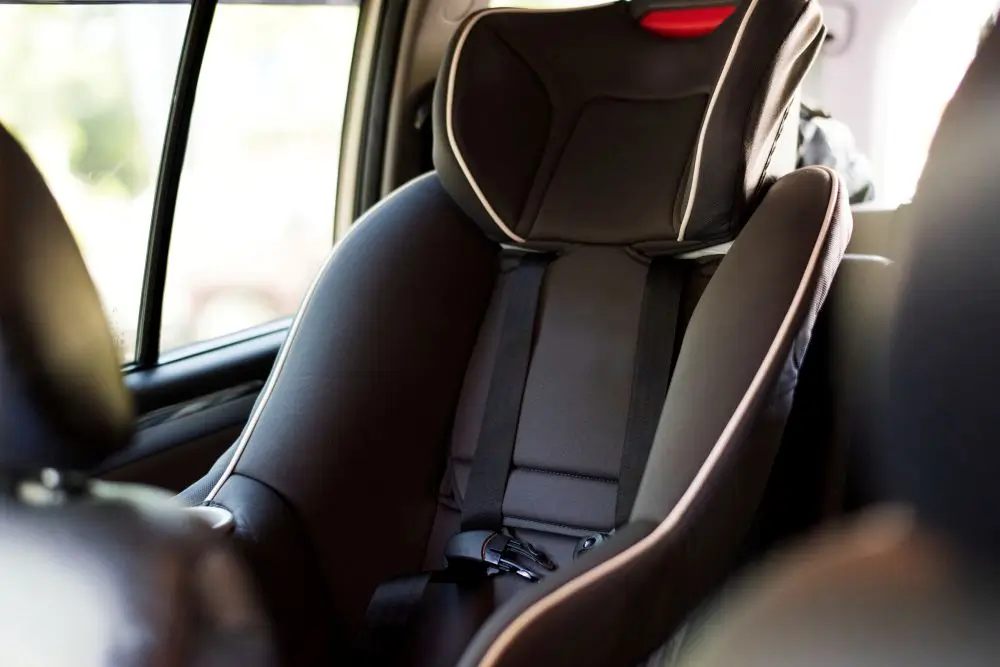
Work trucks and off-road vehicles are regularly exposed to demanding conditions that ordinary passenger vehicles may rarely encounter. From muddy construction sites and dusty trails to wet clothing and heavy equipment, these environments can accelerate the deterioration of factory upholstery.
Investing in durable seat covers helps protect vehicle interiors, maintain driver comfort, and minimize upholstery maintenance. However, selecting the right seat covers requires understanding the specific challenges associated with commercial work and outdoor adventures.
Prioritize Tough, Abrasion-Resistant Materials
Material durability should be a primary consideration when shopping for heavy-duty truck seat covers. Work truck owners and off-road enthusiasts need fabrics capable of withstanding frequent use, friction, dirt, and exposure to harsh conditions.
Some suitable materials include:
- Cordura: A rugged fabric known for its abrasion resistance and durability.
- Canvas: A practical option for construction, agricultural, and utility vehicles.
- Neoprene: A flexible material that balances water resistance and comfort.
- Heavy-duty polyester: A versatile material suitable for demanding daily use.
- Vinyl: An easy-to-clean option for vehicles frequently exposed to dirt and moisture.
The best material depends on how the vehicle is used and the conditions it regularly encounters.
Consider Water and Moisture Protection
Work trucks and off-road vehicles frequently encounter rain, mud, snow, and wet equipment. Without adequate protection, moisture can penetrate factory upholstery and contribute to stains, unpleasant odors, and material deterioration.
Water-resistant or waterproof seat covers are particularly beneficial for:
- Construction workers
- Agricultural professionals
- Landscaping contractors
- Outdoor recreation enthusiasts
- Utility service providers
- Fishing and camping enthusiasts
When comparing products, pay attention to the difference between waterproof and water-resistant materials. Waterproof options generally provide greater moisture protection, although seams and openings may affect overall performance.
Choose Custom-Fit Seat Covers
Universal seat covers may offer basic protection, but custom-fit options are often better suited to trucks with specific seating configurations.
A properly fitted seat cover minimizes shifting, bunching, and exposed upholstery. It also helps accommodate vehicle features without unnecessarily restricting their functionality.
Before purchasing, identify your truck’s:
- Make, model, and manufacturing year
- Cab configuration
- Front and rear seat styles
- Headrest configuration
- Center console and armrest design
- Split-folding seat arrangement
Accurate vehicle information helps ensure a secure fit and adequate coverage.
Look for Reinforced Seams and Reliable Fasteners
Seat covers installed in work trucks experience repeated stress as drivers and passengers enter and exit the vehicle. Tool belts, workwear, and equipment can also increase friction against seating surfaces.
Look for construction features such as:
- Reinforced stitching
- Durable seams
- Secure fastening straps
- Well-finished edges
- Reinforced high-contact areas
These details can help prevent premature tearing, loose fabric, and frequent adjustments, particularly in vehicles used for physically demanding jobs.
Evaluate Resistance to Dirt and Stains
Unlike personal vehicles primarily used for commuting, work trucks often serve as mobile workspaces. Their interiors may regularly encounter grease, dust, soil, food, and other contaminants.
Choosing stain-resistant and easy-to-clean seat cover materials can simplify routine maintenance and help preserve the original upholstery.
For off-road vehicles, materials that release dirt and debris easily are particularly useful after trips through sandy, muddy, or wooded environments.
Balance Durability With Driving Comfort
A rugged seat cover should not make driving uncomfortable. Contractors, commercial drivers, and outdoor enthusiasts often spend extended periods behind the wheel.
When evaluating comfort, consider factors such as fabric breathability, flexibility, surface texture, and heat retention.
Drivers operating in warmer climates may benefit from breathable fabrics, while those working in cold environments may prefer materials that remain flexible and comfortable in lower temperatures.
The ideal seat cover provides dependable protection without compromising the driver’s everyday experience.
Verify Compatibility With Vehicle Safety Features
Modern pickup trucks and off-road vehicles may include advanced safety systems integrated into their seats.
Before installing aftermarket seat covers, verify compatibility with:
- Seat-mounted side airbags
- Passenger occupancy sensors
- Seat belt mechanisms
- Headrest adjustments
- Heated and ventilated seats
- Electronic seat controls
Consult the vehicle owner’s manual and seat cover manufacturer’s compatibility information before purchasing.
Select Materials That Are Easy to Maintain
Frequent cleaning is often necessary for vehicles used in construction, farming, transportation, and outdoor recreation.
Seat covers with straightforward maintenance requirements can help reduce the time and effort needed to keep truck interiors presentable.
Depending on the material, routine maintenance may involve:
- Vacuuming loose dirt and debris
- Wiping surfaces with a damp cloth
- Spot-cleaning stains
- Removing covers for deeper cleaning
- Allowing covers to dry thoroughly before reinstalling
Always follow the manufacturer’s cleaning instructions to avoid damaging the fabric or compromising its protective properties.
Match Seat Covers to Your Vehicle’s Primary Use
Different applications require different levels of protection.
| Vehicle Application | Recommended Seat Cover Features |
| Construction and contracting | Abrasion resistance and reinforced stitching |
| Farming and agriculture | Moisture resistance and easy cleaning |
| Off-road adventures | Dirt resistance, durability, and secure fit |
| Landscaping services | Stain resistance and moisture protection |
| Commercial fleet vehicles | Durability, low maintenance, and comfort |
| Hunting and fishing | Water protection and rugged materials |
| Daily work commutes | Breathability, comfort, and everyday protection |
Selecting seat covers based on actual working conditions can deliver better performance and long-term value.
Avoid Choosing Based on Price Alone
Inexpensive seat covers may provide temporary protection, but they may wear out faster when exposed to demanding environments.
When comparing products, consider material quality, construction, fit, maintenance requirements, and warranty coverage. A durable, properly fitted seat cover may reduce replacement frequency and help prevent costly damage to factory upholstery.
For business owners managing multiple work trucks, investing in reliable interior protection can also help maintain fleet appearance and reduce vehicle maintenance expenses.
Conclusion
Choosing durable seat covers for work trucks and off-road vehicles requires balancing material strength, moisture protection, proper fit, comfort, and maintenance requirements.
Whether your truck is used for construction, commercial operations, agricultural work, or weekend off-road adventures, selecting seat covers designed for your specific driving conditions can help preserve your vehicle’s interior and withstand the challenges of everyday use.